Flora in The Darjeeling Hills, a botanical paradise, nestled in the lesser Himalayas of West Bengal, are not just a haven for panoramic landscapes and tea estates—they are also home to a mesmerizing diversity of flora. Thanks to the region’s unique altitude gradient (from 100 to over 3,600 meters), cool temperate climate, and monsoon rains, Darjeeling hosts some of the most varied plant life in India.
1. Rhododendrons: The Floral Emblem of the Hills
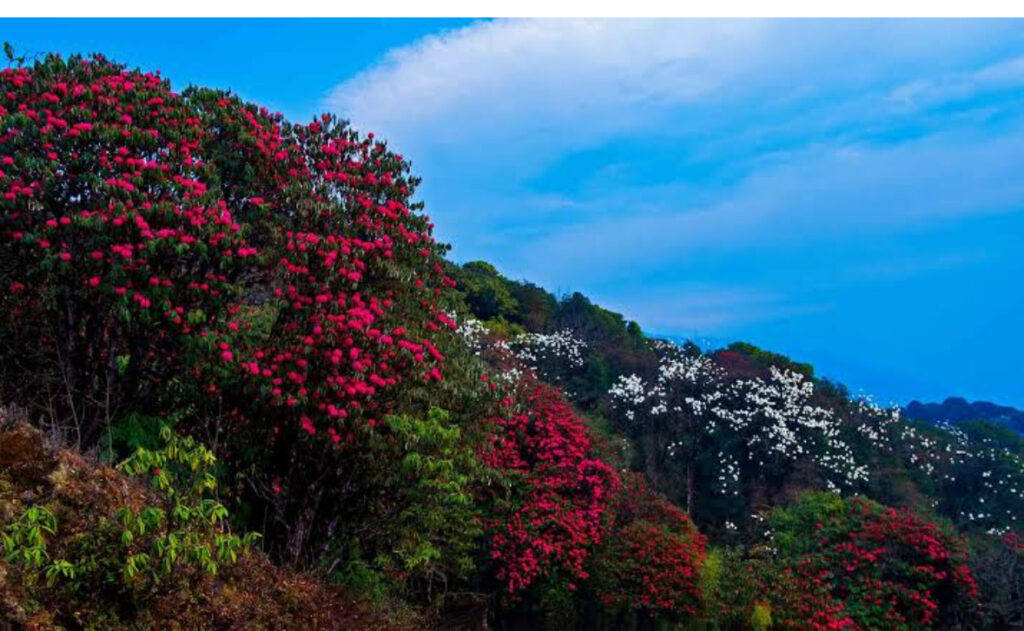
Darjeeling is known for its spectacular rhododendron forests, which burst into bloom during spring (March to May). These vibrant flowers—ranging in color from crimson to pink, purple, and even white—can be found at altitudes between 2,000 to 4,000 meters. The Singalila National Park, especially around Sandakphu and Phalut, offers breathtaking rhododendron treks.
2. Magnolias and Oaks
In the higher altitudes, magnolias bloom with fragrant white and pink flowers, often accompanied by evergreen oaks. These trees play a vital role in stabilizing soil and creating habitat for countless birds, mosses, and ferns.
The mid-altitude slopes are blanketed with bamboo forests, supporting traditional livelihoods and the red panda’s habitat. The humid forest floor nurtures over 300 species of ferns, including tree ferns, making Darjeeling a dreamscape for botanists and nature lovers.
4. Medicinal Plants & Orchids
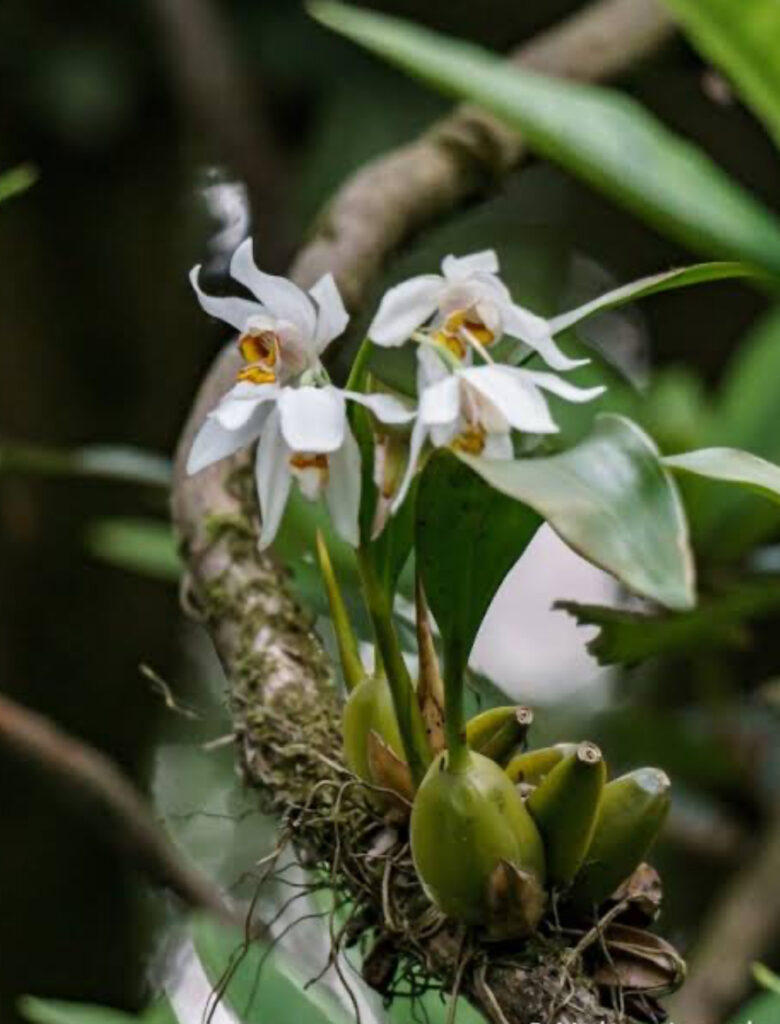
Darjeeling is rich in medicinal flora used in both traditional Nepali and indigenous Lepcha herbal practices. Plants like chirata, rhododendron arboreum, and dactylorhiza hatagirea are known for their healing properties. The region also shelters more than 60 species of wild orchids, many of which grow epiphytically on tree trunks.
5. Tea Bushes: A Cultivated Icon
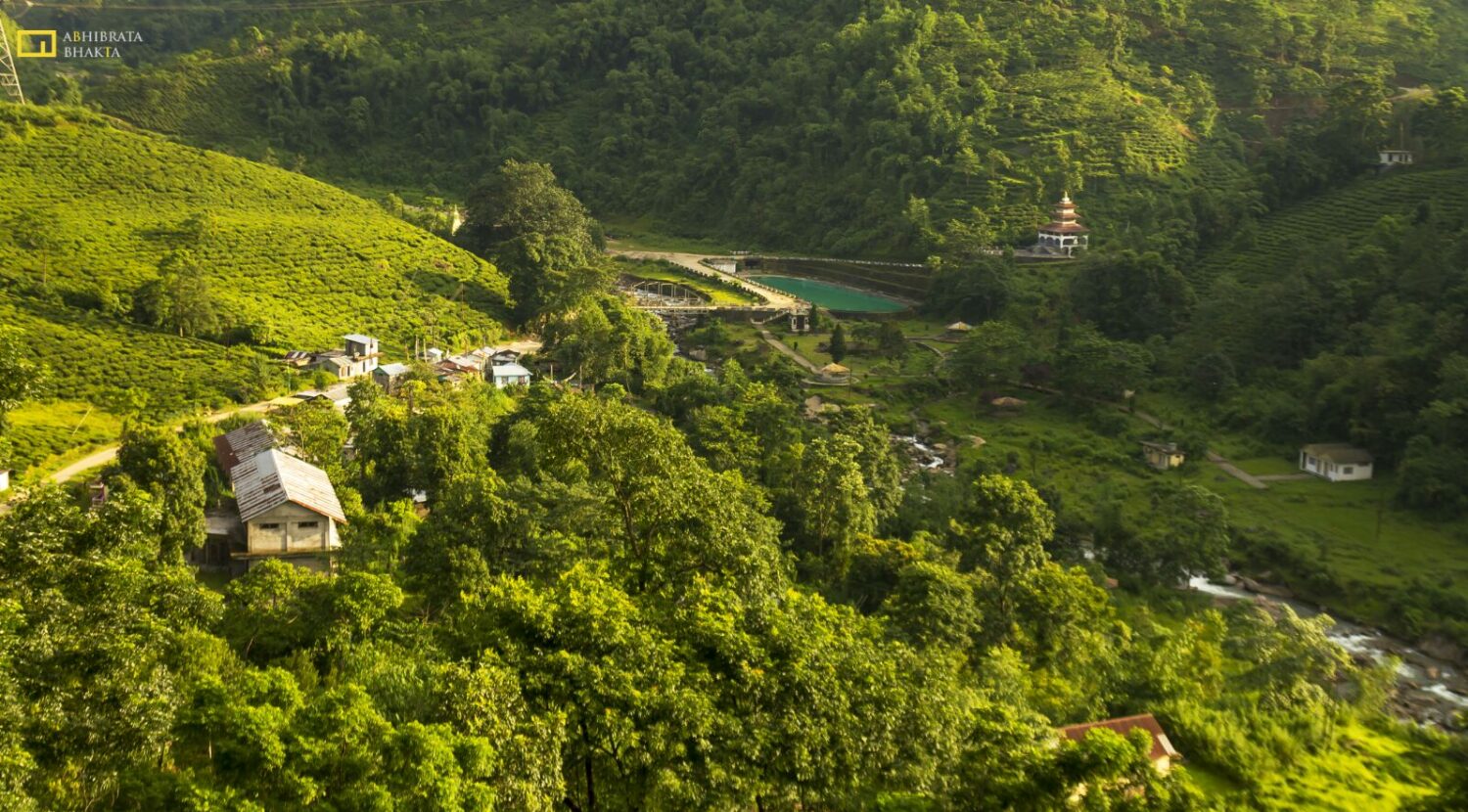
No mention of Darjeeling flora is complete without its world-famous Camellia sinensis—the tea plant. Grown on manicured terraces between 600 to 2,000 meters, Darjeeling tea gardens contribute to both the economy and the scenic charm of the hills.
6. Seasonal Wildflowers
During monsoon and early autumn, the hills burst into life with wild primulas, anemones, gentians, and impatiens. These seasonal blooms attract a range of butterflies and birds, adding to the region’s biodiversity.
7. Sacred Groves and Native Species
Traditional Lepcha and Bhutia communities have preserved sacred groves—patches of old-growth forest often protected by religious taboos. These areas are crucial for conserving rare native species, including Michelia champaca, Castanopsis indica, and Schima wallichii.
Conservation Challenges
Despite its richness, Darjeeling’s floral diversity faces threats from deforestation, unregulated tourism, and climate change. Conservation efforts by national parks, local communities, and organizations like the Botanical Survey of India are vital for sustaining the region’s botanical heritage.
Final Thoughts
From alpine meadows to misty evergreen forests, the flora of Darjeeling Hills offers a visual and ecological feast. Whether you’re a trekker, photographer, or botany enthusiast, the botanical wealth of this Himalayan gem is bound to leave you inspired.
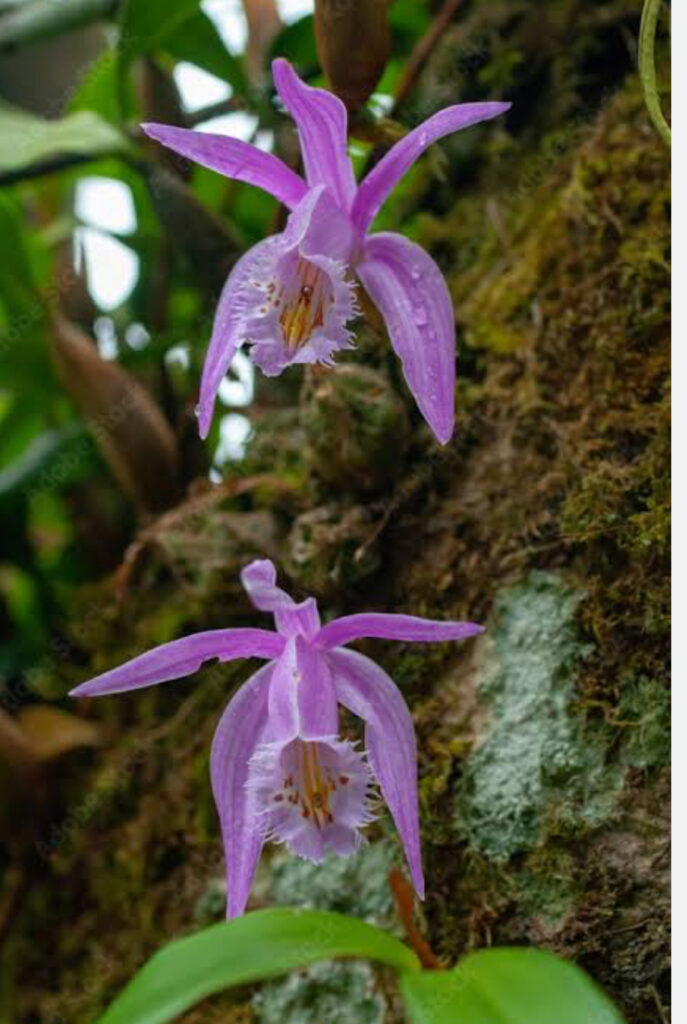
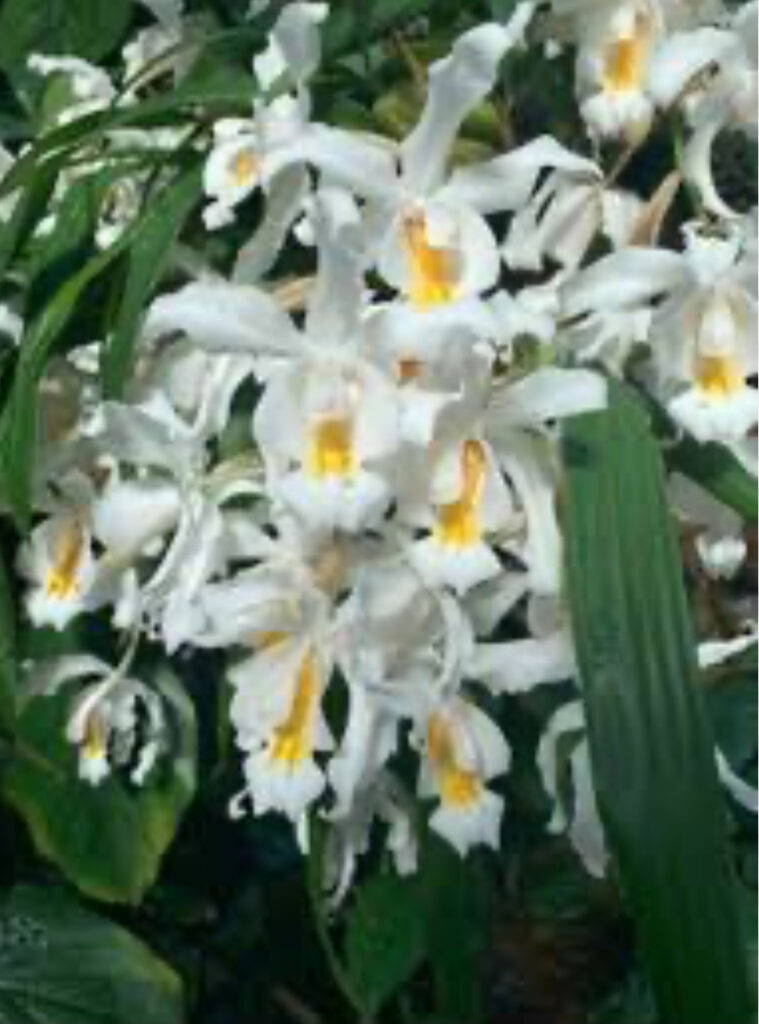
Educational tour guide that focuses on exploring the region’s rich Himalaya natural orchids, look for gentian, anemones, medicinal shrubs, learn about Camellia sinensis/ Tea plan and its cultivation, conservation nurseries.
The best season for floral tour: Spring(march to may) orchids magnolias, medicinal shrubs and Rhododendron.
Monsoon to autumn ( July to October) wild ferns, wildflowers, medicinal shrubs and Camellia sinensis.
Free enquiry and for tour planning just drop an email, we would be happy to reply on it.