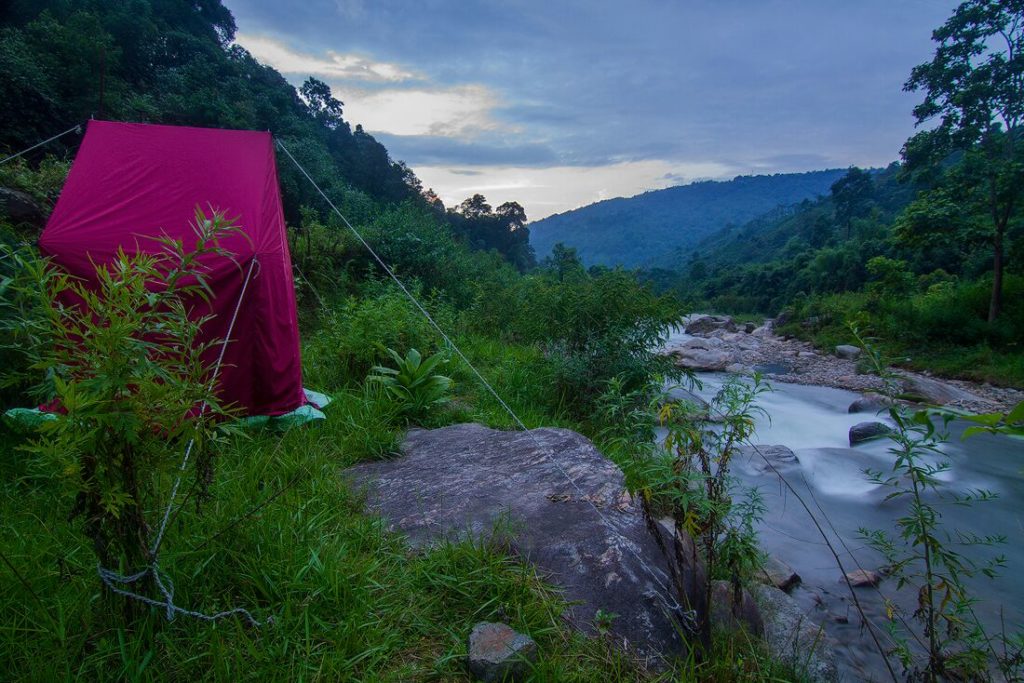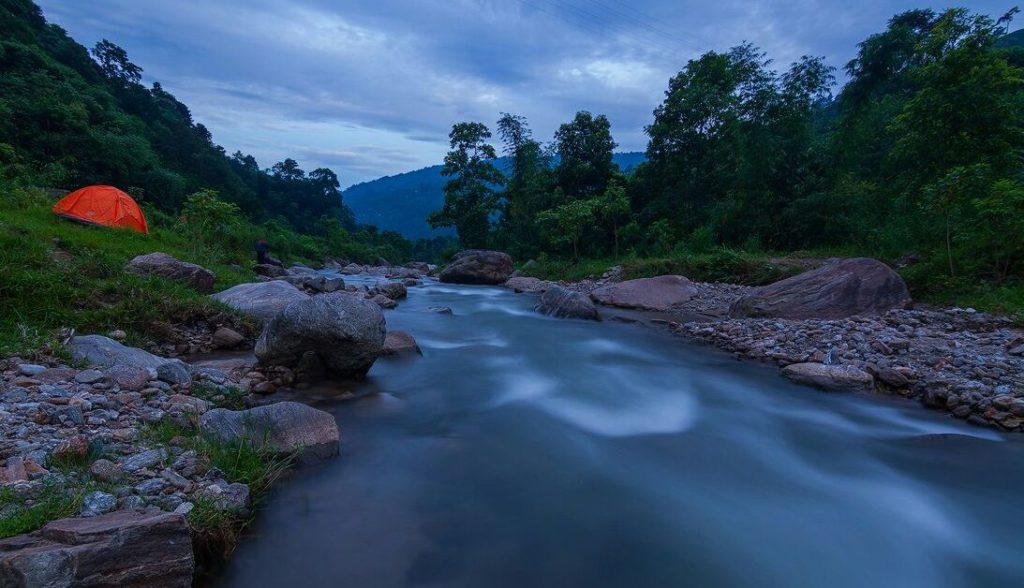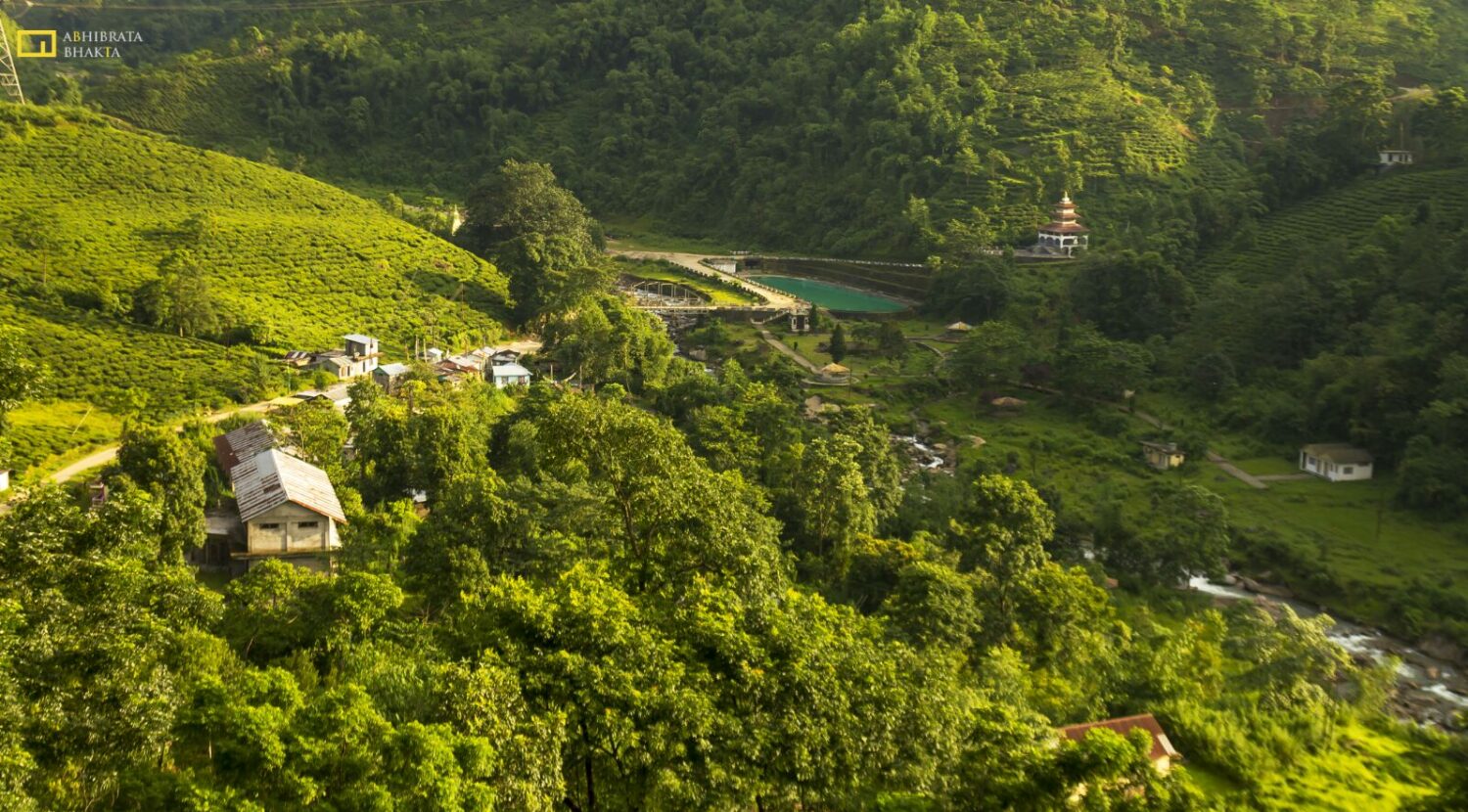
History of Tabakoshi: Early days life before Tourism promotion of Tabakoshi, It was nestled deep in the Rangbhang valley of Darjeeling district. It was for a long time known only as a river village settlement. This valley is being surrounded by famous Mangarjung, Thurbo, Gopaldhar, Siyok, Turzum,Chamong and Sungmaru tea estate.
The Local people had been depended mainly on tea garden work,small scale farming and Fishing in the Ranhang khola,
Before the late 20th century, the place had no outside recognition. it was a riverside hamlet hidden under the shadow of Mirik.
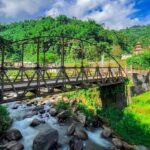
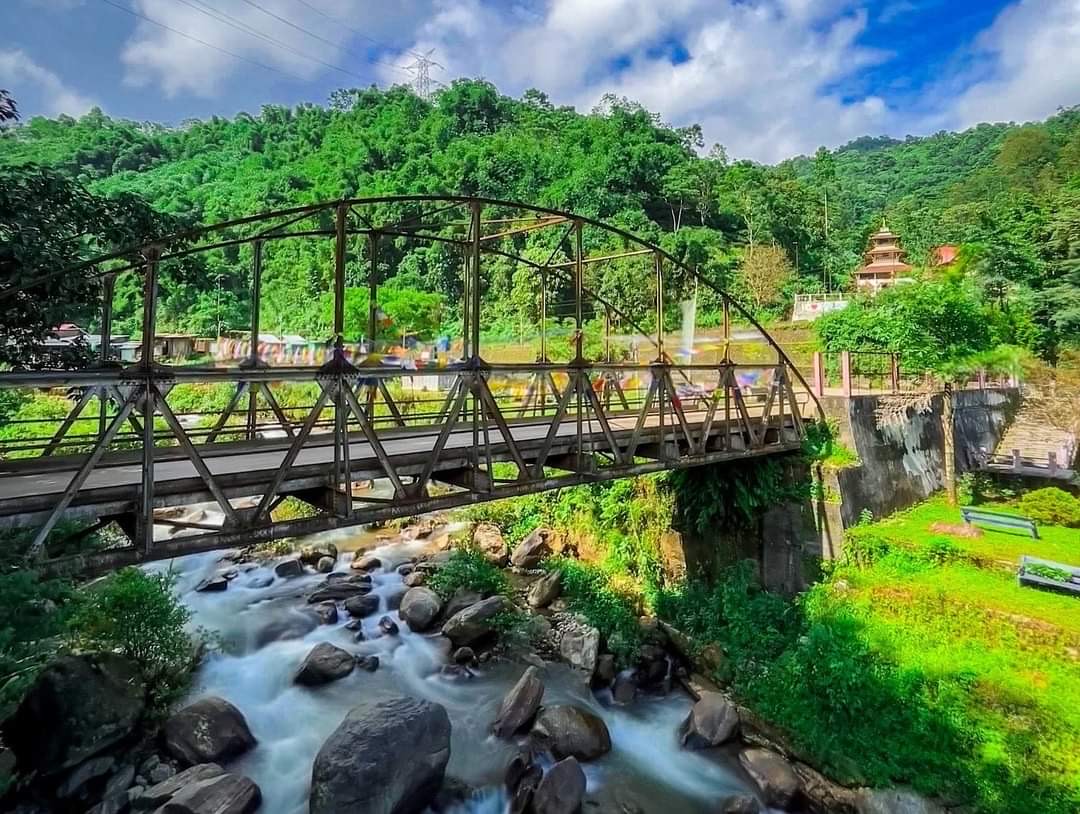
History of Tabakoshi concern, in field of tourism the Turning point was 1998. In December 1998 ,DGHC (Darjeeling Gorkha Hill Council) chairman late Subash Ghising had visited the Rangbhang valley. He laid the foundation stone of the Mukti Bridge across the Rangbhang Khola. On this occasion, he gave the valley a new identity by coining the name TABAKOSHI( Taba=copper,Koshi=River, meaning the copper -hued river. This act formally put the valley on the tourism map.Though actual tourist activity would come much later in 2014.
1. Natural Origin and Geography
- The Rangbhang Khola originates from the higher ridge of Jorepokhri Wildlife Sanctuary near Ranbhang Majuwa Busty, Siyok,Achhalal Busty. It flows down through as an iconic name Ranghang Khola through Tabakoshi (present named ) before joining the Balason River.
- Even before tea plantations were introduced (mid-1800s), the river served as a source of water.
- The riverbanks were fertile, used for subsistence farming, cardamom, Mize, millets and later on oranges cultivation.
2. History of Tabakoshi : Colonial Tea Plantation Era (mid-1800s onwards)
- When the British opened Thurbo, Gopaldhara, and Mangarjung Tea Estates in the second half of the 19th century. The Rangbhang Khola became an essential water source for the estates.
- The river valley attracted Nepali-speaking workers (Gorkhas, Rais, Tamangs, Magars, etc.), who had settled around it.
- Bamboo bridges (doko pul) and trails were made across the khola for workers to travel between villages and tea fields.
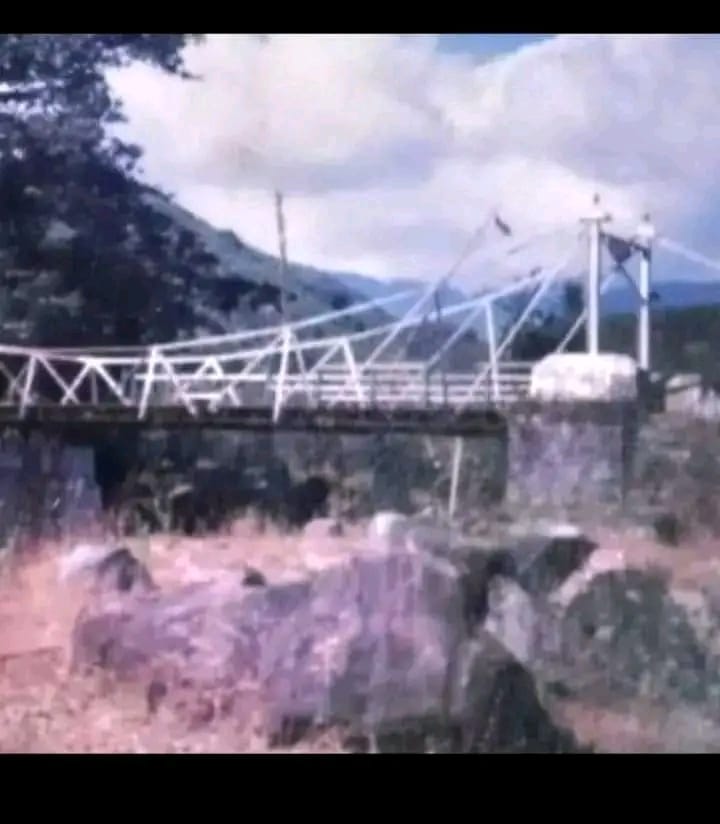
- A iron bridge was built on Ranbhang in 1885 by London Engineering company for transportation of tea leaves to Siliguri.
- Gopaldhara tea estate was established around 1881. when two Englishman Tappu and tare sahib began planting tea in the Ranghang valley on land of blonging to Gopal. Tea processing factory with captive hydroelectric power was built 1918 in Gopal Dhara tea eastate.
3. Cultural and Spiritual Value
- Like many Himalayan streams, Rangbhang Khola was considered sacred. Locals believed it had a protective spirit Mai Devi (Khola Devi). Rituals and offerings during floods or droughts were common.
- It was also a festival site, where villagers gathered for Mela or seasonal rituals, especially during Maghe Sankranti.
4. Pre-1968 Life Around the Ranbhang Khola
- Villages around the Khola (today’s Tabakoshi belt) were small clusters of tea labourer lines and agricultural huts.
- The river was used for:
- Irrigation of terrace fields.
- Himalaya Trout Fishing and bathing.
- Stone and sand collection for house building.
- Oral history suggests children often swam in the Khola, while women washed clothes and men caught fish with nets (jaal) and baskets (duri).
5. The 1968 Landslide Context
- In October 1968, Darjeeling hills experienced a devastating flood and landslide disaster due to continuous heavy rain.
- Rangbhang Khola, like other rivers, swelled uncontrollably, causing destruction to bridges, farmland, and worker settlements nearby.
- This flood is a turning point in local memory, as it reshaped settlement patterns and the way villagers approached riverbank safety.
Tabakoshi and Tourism ( Valley of Rangbhang Khola)
History of Tabakoshi: before 1968, Rangbhang Khola was not a tourist spot or named landmark, but a natural lifeline — sustaining tea gardens, agriculture, and rural life. Its significance was practical (water, farming, fishing) and cultural (local beliefs and rituals). The 1968 floods marked a major historical shift, after which the valley slowly began to gain more recognition.
After experiencing a devasting flood and landslides in 1968,the major road connectivity were cutoff from rest of the Bazar and villages to the entire region of the valley.
After 30 years of long awaiting (1968- 1998 ), Gorkha Father Lt.Subhash Ghising former chairman of Darjeeling Gorkha Hill Council had taken a historical initiative in reshaping the valley’s identity and infrastructure in 1998 and given recognition as a new name Tabakoshi Tourism in 2002.
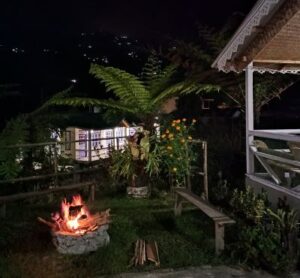
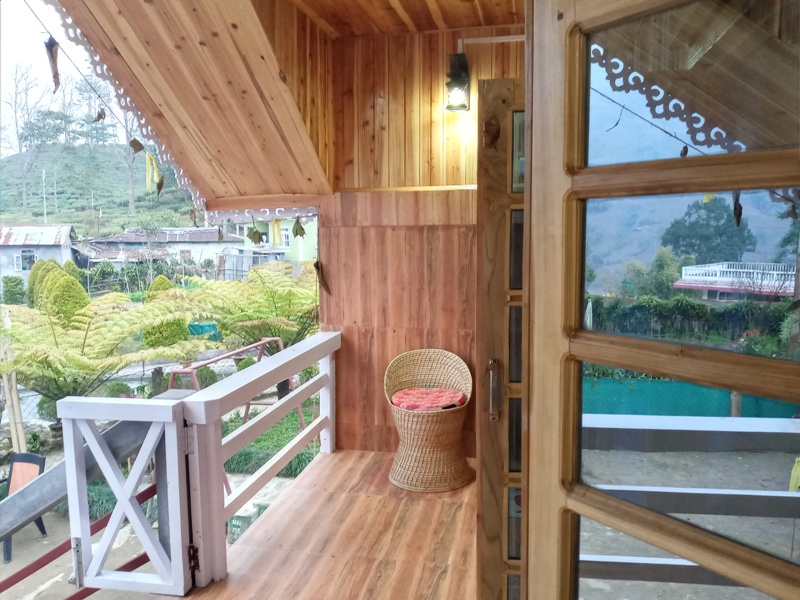
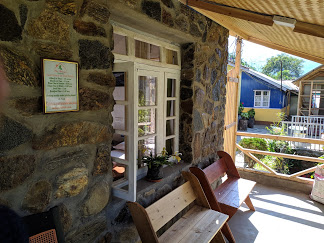
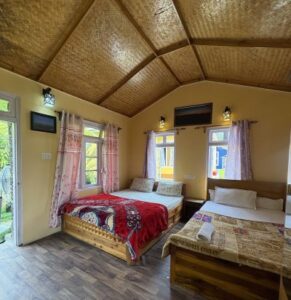
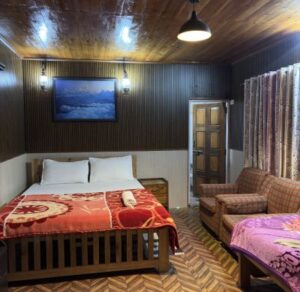
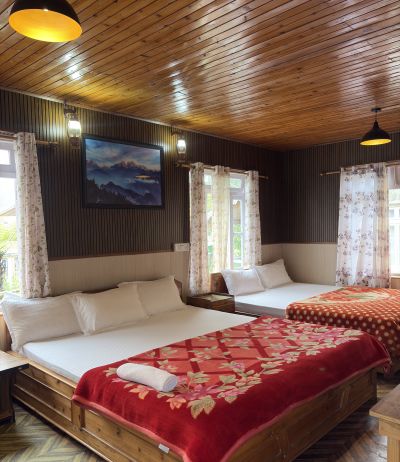
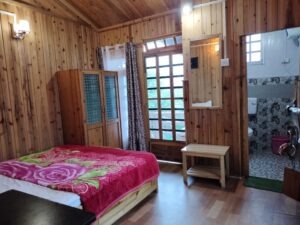
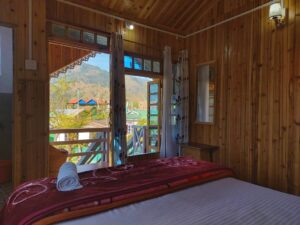
Homestay concept of Tabakoshi as an offbeat Tourism in 2014.
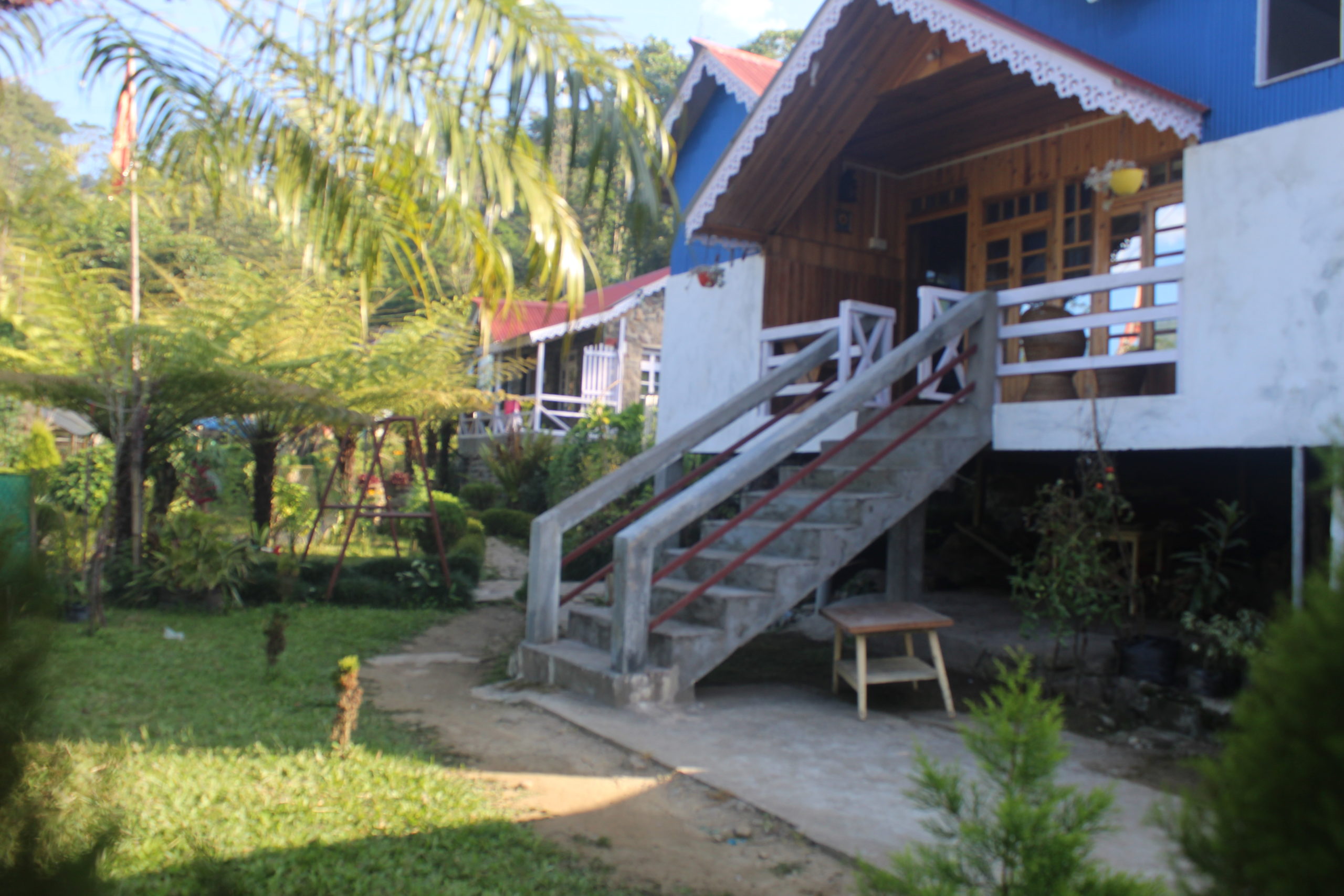
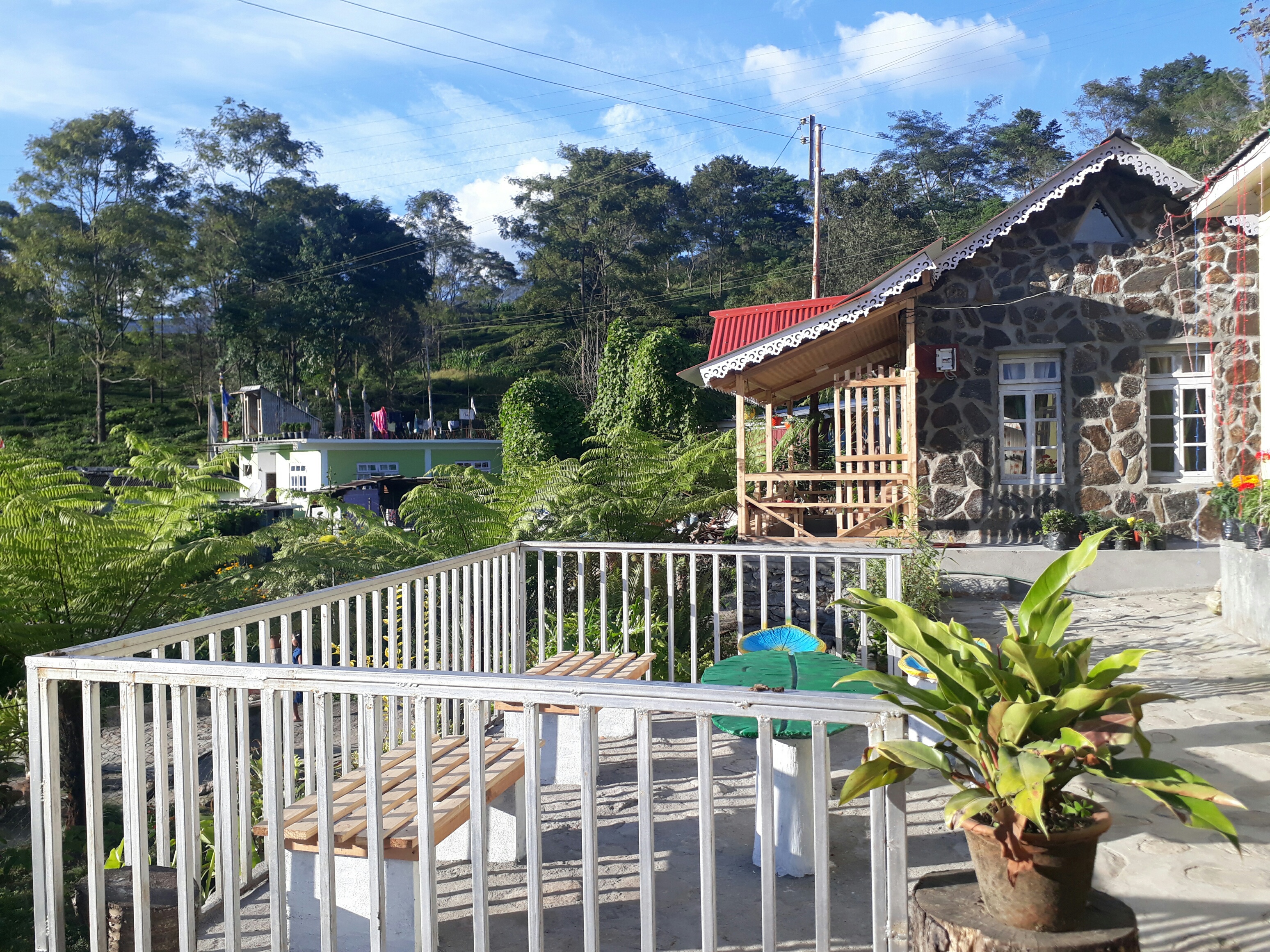
As an offbeat tourism grew in Darjeeling,, local villagers in Tabakoshi started homestays in 2014 with only two number of homestay, in 2016 seven number of homestay and in 2025 thirty six number of homestay has been registered, homestay concept inspired by Darjeeling village like, Mirik, Lamahatta,Takdah ,Tinchuley and others.
Promotion through offbeat Branding Tabakoshi.
By 2015 to 2018,Tabakoshi gained recognition as an offbeat eco-tourism spot.Blogs,travel forms and social media posts promoted it as an offbeat virgin location. Homestay owners formed networks and stated community based promotion..
The west Bengal tourism Department and GTA began including homestays in official tourism portal .Local homestay associations worked together to organize cultural programs and eco tourism packages,
Communities in the valley: Gorkha/Nepali tribes seen their settlement in the valley early 1800s, Rai , Limbu (Yakthung), Tamang, Gurung, Magar, Newar, Bahun–Chhetri, Kami, Damai, Sarki. when the British took Darjeeling along with the land and people, tea plantations expanded in the 1850s–1880s in Hills.
Location and Administrative Context
Tabakoshi is an offbeat tourism destination nearest to Mirik. Valley is comprises of number of villages nestled in the Rangbhang (Rangbang) River valley, within the Sukhia Pokhri block, part of the Darjeeling district under the Gorkhaland Territorial Administration, in West Bengal India .
Bijoy Subba